


Retail & Wholesale B2B Fulfillment: How It Works and Why It Matters
In the dynamic UAE market, B2B fulfillment services are essential for moving products efficiently between suppliers, retailers, and wholesalers. Effective B2B fulfillment services help businesses navigate the unique logistics landscape of Dubai and the wider UAE, optimizing B2B supply chain management and ensuring timely, accurate deliveries. Â
For retail and wholesale companies, leveraging B2B logistics solutions is crucial to maintain competitiveness, manage inventory across regional hubs, and streamline operations. As more businesses expand into cross border ecommerce and ecommerce for wholesale distribution, having a fulfillment partner who understands both bulk B2B movement and last mile logistics in Dubai has become even more important.Â
This guide explores how B2B order processing, warehousing solutions, and shipping strategies, including multi product type fulfillment, operate in the UAE, and shares best practices for efficient B2B fulfillment in the local market. Â
What is B2B Fulfillment in Dubai?
B2B fulfillment services in Dubai refer to the comprehensive process of receiving, storing, and delivering products from one business to another. Unlike consumer-focused shipping, B2B fulfillment focuses on bulk orders destined for retailers, wholesalers, or other business clients.Â
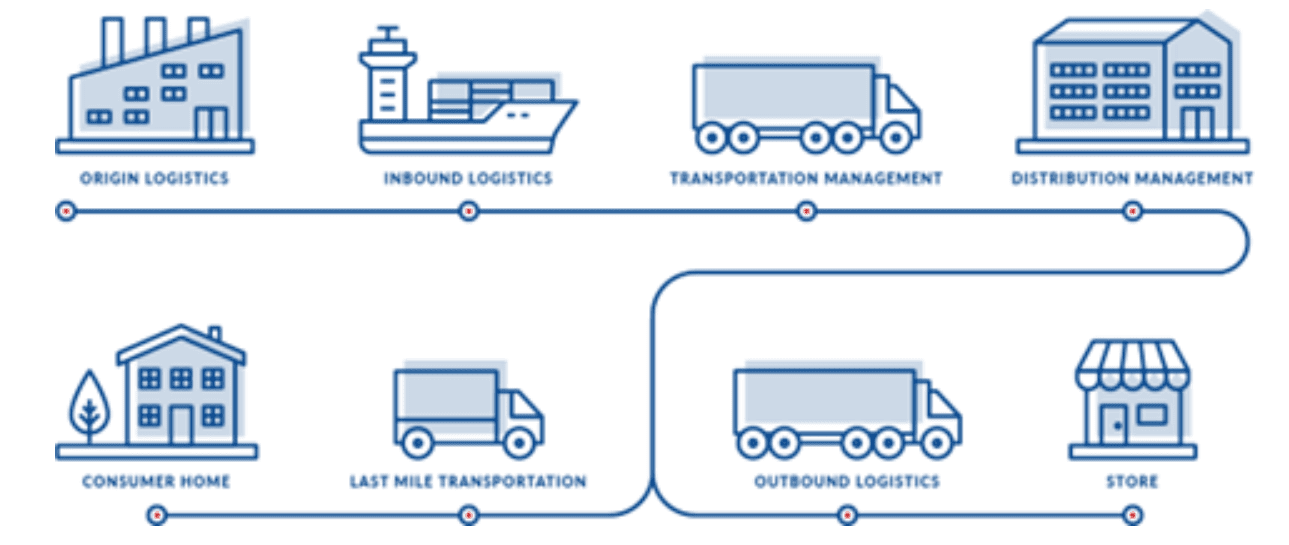
In Dubai’s fast-growing retail and wholesale sectors, B2B logistics solutions are crucial to maintain operational efficiency and meet strict delivery schedules. These services cover every aspect of the supply chain, from B2B inventory management and order processing to efficient B2B deliveries, ensuring businesses can maintain stock availability and streamline operations.
How Does B2B Fulfillment Work?
B2B fulfillment is a multi-step process designed to handle large-volume shipments efficiently while maintaining accuracy, compliance, and operational speed. The workflow integrates B2B order processing, storage, and delivery coordination to optimize performance across the supply chain.Â
Step 1: Inventory Receiving
Products arrive from manufacturers or suppliers and are carefully inspected. They are logged into B2B inventory management systems, which track stock levels and conditions. Accurate receiving ensures orders can be fulfilled without errors or delays.Â
Step 2: Storage and Inventory Management
Goods are organized in warehouses or distribution centers equipped for bulk storage. B2B warehousing solutions include location-specific storage, pallet racking, and temperature-controlled warehousing where needed. Real-time tracking allows for quick inventory verification and availability checks.
Step 3: Order Processing
Business clients or retailers submit bulk orders through digital platforms. Each order is verified against available stock, compliance rules, and shipping schedules. B2B order processing ensures that orders are prepared correctly for dispatch.Â
Step 4: Picking, Packing, and Palletization
Warehouse staff or automated systems perform B2B pick and pack services, retrieving goods in bulk quantities. Orders are packaged securely, labeled with barcodes, and prepared for transport. Palletization optimizes shipping efficiency and reduces handling costs.Â
Step 5: Freight Shipping and Delivery
Orders are shipped via B2B shipping solutions, often using freight trucks, containers, or scheduled delivery services. For businesses needing full truck load logistics, FTL services provide a reliable option for high-volume, single-destination shipments. Delivery schedules are coordinated with clients to ensure timely arrival and compliance with B2B distribution channels requirements, while efficient cargo handling at every touchpoint keeps goods moving without unnecessary delays.
2 Types of B2B Fulfillment
B2B fulfillment in Dubai primarily comes in two forms: retail-focused and wholesale-focused, each with operational nuances. Let’s dive in.
What is Retail B2B Fulfillment?
Retail B2B fulfillment involves supplying products to retail stores, chains, or supermarkets. This model supports consistent shelf availability, store replenishment, and compliance with retailer-specific delivery standards.Â
Key Characteristics of Retail Fulfillment
- Large-volume shipments to retail locations Â
- Strict delivery schedules and compliance requirements Â
- Standardized packaging and labeling for retailer requirements Â
What is Wholesale B2B Fulfillment?
Wholesale B2B fulfillment distributes products to bulk buyers, resellers, or regional distributors, a model increasingly shaped by B2B wholesale online ordering and broader B2B wholesale distribution networks. Wholesalers act as intermediaries, ensuring products reach smaller retailers or other businesses efficiently.Â
Key Characteristics of Wholesale Fulfillment
- Bulk order processing Â
- Distribution to multiple business clients Â
- Focus on inventory turnover and volume optimizationÂ
Retail vs Wholesale B2B Fulfillment: What’s the Difference?
The operational focus of retail versus wholesale B2B fulfillment varies significantly. The table below highlights the key distinctions:Â
Parameter | Retail B2B Fulfillment | Wholesale B2B Fulfillment |
Order Type & Volume | Large orders to stores | Bulk orders to resellers |
Delivery Requirements | Strict schedules, compliance-focused | Flexible schedules, volume-driven |
Packaging & Compliance | Retailer-specific labeling, barcodes | Simplified packaging, fewer requirements |
Supply Chain Role | Supports end-customer sales | Supports redistribution to businesses |
B2B Fulfillment vs B2C Fulfillment: Key Differences
B2B fulfillment is structured differently from B2C. While B2C focuses on individual orders, B2B handles bulk, scheduled deliveries. Here is a quick breakdown on how they differ.Â
Parameter | B2B Fulfillment | B2C Fulfillment |
Order Size & Volume | Bulk shipments | Individual consumer orders |
Shipping Methods | Freight, pallets | Parcels, courier services |
Operational Complexity | Compliance-heavy, scheduled | Flexible, fast-paced |
Customer Interaction | Business clients | End consumers |
4 Key Benefits of B2B Fulfillment for Retail and Wholesale
Efficient B2B fulfillment operations provide tangible advantages to businesses operating in Dubai’s retail and wholesale markets. Let’s see what they are.Â
1. Improved Supply Chain Efficiency
Efficient B2B fulfillment operations provide tangible advantages to businesses operating in Dubai’s retail and wholesale markets. Let’s see what they are.Â
2. Better Inventory Management
Real-time tracking, collaborative supply chain forecasting, and demand planning enable accurate B2B inventory management, preventing stockouts and optimizing storage usage.Â
3. Scalability for Business Growth
B2B fulfillment allows businesses to expand operations into new markets or supply additional retail channels without heavy investment in infrastructure.Â
4. Stronger Business Relationships
Reliable fulfillment builds trust with retailers, resellers, and partners, supporting long-term partnerships and repeat business.Â
Get In Touch
4 Common Challenges of B2B Fulfillment
While B2B fulfillment services in Dubai provide significant efficiency gains, businesses still encounter operational challenges that can affect performance if not managed properly.  Â
Some common hurdles include:Â
1. Complex Order Requirements
Retailers and wholesalers often have unique specifications for quantity, packaging, and labeling. Managing these requirements across multiple clients can create operational bottlenecks and increase the risk of errors.
2. Compliance with Retailer Standards
Different retailers enforce specific compliance rules, such as barcodes, shipment documentation, and delivery protocols. Adhering to these requirements demands precise coordination and oversight.Â
3. Inventory Inaccuracies
Errors in stock tracking can lead to understocking or overstocking, affecting order fulfillment and customer trust. Efficient B2B inventory management systems are essential to prevent such issues.Â
4. Shipping Delays
Delays can occur due to carrier issues, traffic restrictions, or mismanaged freight schedules. Timely communication and B2B shipping solutions help mitigate these risks.Â
By identifying these challenges, businesses can implement solutions like automation, technology integration, and strategic partnerships to maintain smooth operations.Â
How to Optimize Retail & Wholesale B2B Fulfillment?
Optimizing B2B fulfillment services requires a combination of technology, process improvements, and strategic planning. By refining operational workflows, businesses in Dubai can improve efficiency, reduce errors, and enhance service quality.Â
1. Automate Order Processing
Implementing automated B2B order processing ensures that bulk orders are verified, processed, and routed correctly without manual intervention. Automation reduces errors, accelerates fulfillment, and improves overall workflow efficiency.
2. Improve Inventory Visibility
Real-time tracking of stock across warehouses and distribution centers allows for accurate B2B inventory management. Businesses can forecast demand, plan replenishments, and prevent stockouts, ensuring timely deliveries to clients.Â
3. Optimize Warehouse Operations
Efficient warehouse layouts and streamlined picking workflows significantly reduce order processing time. A well-run cross docking warehouse setup, proper zoning, labeling, and B2B pick and pack services enhance productivity while minimizing operational errors.Â
4. Use Distribution Centers Strategically
Strategically positioning inventory in distribution centers near key retail hubs reduces delivery times and shipping costs. For businesses serving multiple UAE regions, a regional distribution center logistics approach, supported by a well-placed distribution center in UAE, enhances efficient B2B deliveries and last mile delivery across Dubai.Â
5. Partner with 3PL Providers
Outsourcing logistics to experienced 3PL companies in Dubai offers flexibility, scalability, and access to advanced B2B logistics solutions. This approach allows businesses to focus on core operations while benefiting from professional handling of inventory, shipping, and compliance.Â
What to Look for in a B2B Fulfillment Provider in the UAE?
Choosing the right B2B fulfillment services in Dubai partner is critical for operational success. The ideal provider should combine experience, technology, and compliance capabilities to support your retail or wholesale network efficiently.Â
1. Experience in Retail and Wholesale Logistics
Select providers with a proven track record in B2B wholesale fulfillment and retail logistics. Their experience ensures understanding of industry-specific requirements, high-volume handling, and timely deliveries.Â
2. Technology and Integration
Ensure the provider offers systems that support automation, real-time tracking, and seamless integration with your business platform. Advanced B2B fulfillment software improves accuracy and operational transparency.Â
3. Scalability and Flexibility
A reliable partner can adjust services during peak periods or expand operations as your business grows. Flexible logistics solutions accommodate seasonal spikes and new market expansion.Â
4. Compliance Capabilities
The provider should meet all regulatory and retailer standards for labeling, packaging, and shipping. Adherence to B2B supply chain management protocols ensures smooth operations and prevents costly penalties.Â
How Al Sharqi Shipping Supports Retail & Wholesale B2B Fulfillment in the UAE?
Al Sharqi Shipping Co LLC provides comprehensive B2B fulfillment services in Dubai tailored to the needs of retail and wholesale businesses. Their solutions integrate technology, warehousing, and logistics expertise to deliver operational efficiency and compliance.Â
- Advanced Warehousing Solutions: Secure and organized facilities, including Al Sharqi warehouse Dubai locations, optimized for B2B inventory management, warehouse storage services, and large-volume storage.
- Bulk Order Fulfillment: Efficient B2B pick and pack services, palletization, and labeling for retailers and wholesalers.
- B2B Shipping and Logistics: Coordinated freight and delivery services, including FTL transportation services, ensuring efficient B2B deliveries across Dubai and the UAE.
- Scalable Operations:Â Flexible solutions that grow with business expansion, supporting seasonal demand and new client onboarding.
- Compliance and Reporting: Strict adherence to regulatory and retailer standards, with accurate reporting and auditing.
- Technology-Driven Integration: Use of B2B fulfillment software and analytics platforms to improve accuracy, visibility, and process automation.Â
With Al Sharqi Shipping, businesses benefit from reliable, streamlined B2B logistics that enhance efficiency, reduce errors, and improve client satisfaction.
Conclusion
B2B fulfillment services in Dubai are critical for businesses managing retail and wholesale operations. Understanding the workflows, challenges, and best practices allows companies to optimize operations, improve delivery speed, and maintain strong business relationships. Strategic use of technology, automation, and experienced providers like Al Sharqi Shipping ensures accurate B2B order processing, effective inventory management, and timely deliveries.Â
Frequently Asked Questions (FAQs)
B2B fulfillment services in Dubai typically start from around AED 2,000–5,000 per month for small businesses and can exceed AED 15,000+ per month for large-scale operations, depending on storage space, order volume, inventory management, packaging, and shipping needs. Businesses can request a customized quote based on their requirements.
The best B2B fulfillment company in Dubai should provide reliable warehousing, bulk order processing, inventory management, and scalable logistics solutions. Al Sharqi Shipping Co LLC supports wholesale businesses with integrated shipping, warehousing, and supply chain solutions across the UAE.Â
Businesses can outsource B2B fulfillment by partnering with a logistics provider that manages inventory storage, order processing, picking and packing, palletization, shipping, and reporting. Outsourcing helps companies reduce operational costs and scale their distribution network without investing in warehouses and fulfillment infrastructure.Â
Yes, most B2B fulfillment providers offer integrated warehousing and inventory management solutions, including product storage, stock tracking, order management, barcode systems, and real-time inventory visibility. These services help retailers and wholesalers maintain accurate stock levels and improve supply chain efficiency.
Yes, B2B fulfillment services are designed to manage bulk shipments, wholesale orders, retailer replenishment, palletized deliveries, and scheduled distribution. They support businesses that need accurate order processing and reliable deliveries across multiple locations.Â
Hiring a B2B fulfillment partner allows businesses to access professional warehousing, logistics technology, inventory control systems, and scalable operations without the cost of building their own infrastructure. A fulfillment partner can improve delivery efficiency, reduce errors, and support business growth.Â
Our customer service team is happy to assist you with planing your next booking.
Related Articles
ECommerce Return Management Services- Complete Guide
The rise of online shopping has significantly increased e-commerce returns in the UAE, directly
Tailored Logistics Solution for UAE Grocery Retailer Sourcing from India | Case Study
Summary A leading UAE-based grocery retailer sought to transition from wholesale distribution to sel
Streamlined Logistics for Home Improvement Products from Turkey to UAE | Case Study
Summary A leading home improvement retailer in the UAE faced significant challenges with limited vis


Post a comment
You must be logged in to post a comment.