


Overland Transportation Border Charges across UAE
Border charges across the UAE play a major role in determining the cost, speed, and efficiency of road freight movement between the UAE and neighboring GCC countries. For businesses relying on overland transportation services, understanding customs procedures, border crossing fees, transit costs, and documentation requirements is essential to avoid delays and unexpected expenses.
In this guide, readers will learn about GCC overland freight routes, factors affecting transport pricing, common border fees in the UAE, and how businesses can better manage regional road freight operations.
What Is Cross-Border Road Transport in the GCC?
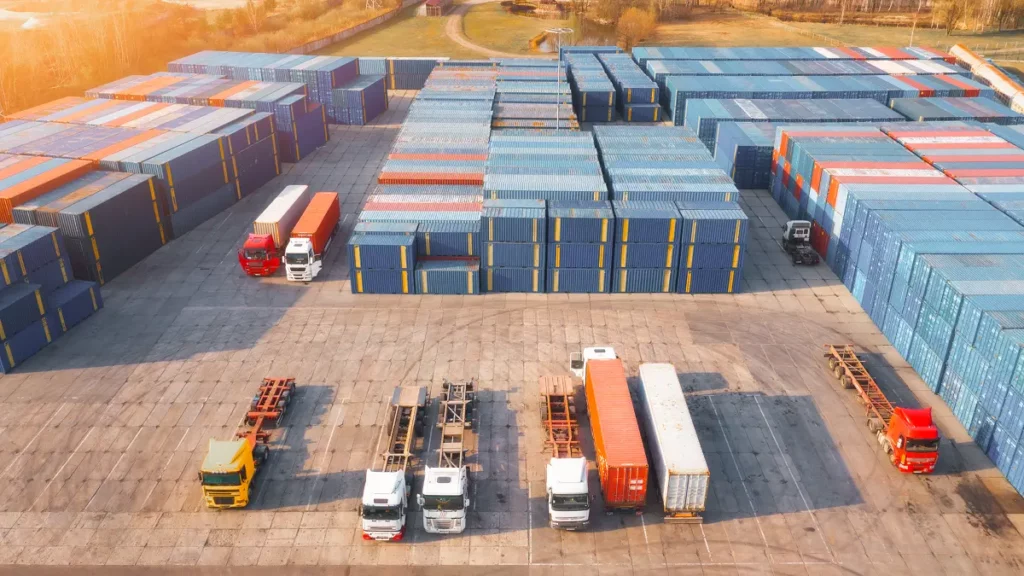
Cross-border road freight connects the UAE with neighboring GCC countries through an extensive highway and customs network. Businesses use overland transportation services to move goods between the UAE, Saudi Arabia, Oman, Bahrain, Kuwait, Qatar, and other regional markets using trucks and commercial freight vehicles.
Road freight remains one of the most preferred transport methods for regional trade because it offers:
- Faster regional delivery compared to some sea freight routes
- Flexible pickup and delivery scheduling
- Door-to-door cargo movement
- Lower operational costs for short-to-medium distances
- Easier access to inland markets and industrial zones
For many businesses, understanding border Charges across the UAE is essential because these fees directly affect freight costs, customs clearance speed, and delivery timelines.
Key Routes and Border Checkpoints
Several major freight corridors connect the UAE with its GCC neighbors, with the GCC crossing KSA UAE corridor handling the highest volume of commercial trucking traffic.
Route | Main Border Checkpoint | Importance |
UAE to Saudi Arabia | Al Ghuwaifat – Al Batha | Main GCC trade corridor for commercial trucking |
UAE to Oman | Hatta Border / Khatmat Malaha | Key route for UAE-Oman cargo movement
|
UAE to Bahrain | via Saudi Arabia Causeway routes | Important for retail and industrial cargo |
UAE to Kuwait | Via Saudi Arabia | Major northern GCC trade route |
UAE to Qatar | Via Saudi Arabia | Used for FMCG, retail, and industrial shipments |
The Al Ghuwaifat–Al Batha UAE KSA border crossing is one of the busiest land freight checkpoints in the region and handles significant commercial cargo traffic between the UAE and Saudi Arabia. Many land transport companies in UAE rely heavily on this corridor for scheduled trucking runs into Saudi Arabia.
What Are Border Charges When Road Transporting Goods Across GCC Borders?

When trucks move goods across GCC borders, carriers encounter multiple operational and customs-related charges during the customs clearance process. These charges, often referred to collectively as border UAE charges or GCC border fees depending on the route, vary depending on the country, cargo type, customs procedures, and route used.
Typical border crossing fees may include:
- Customs processing fees
- Exit and entry passes
- Transit permit charges
- Cargo inspection fees
- Customs broker service charges
- Documentation handling charges
Some transport operators may also encounter additional UAE border charges or ancillary charges related to vehicle permits, customs guarantee, or cargo inspection procedures depending on shipment type.
Who Pays Border Fess in UAE — Shipper, Carrier, or Receiver?
Responsibility for border-related costs usually depends on the shipping contract, freight agreement, or agreed incoterms between the parties involved.
Charge Type | Common Paying Party |
Export customs charges | Shipper / exporter |
Import duties and taxes | Receiver / importer |
Transit permit charges | Carrier or logistics provider |
Customs broker fees | Usually, importer or shipper depending on agreement |
Inspection charges | Often charged to cargo owner |
Vehicle-related fees | Carrier or transport operator |
In practice, many freight forwarding companies in UAE offering cross-border transport services include some border charges within overall freight quotations, while others invoice them separately depending on the route and customs process.
Get In Touch
Customs Clearance Procedure for Land Freight at GCC Borders

Customs clearance is one of the most important stages in GCC overland freight movement. Trucks must complete customs and inspection procedures before cargo can legally cross into another GCC country.
The typical clearance process includes:
- Submission of customs documents
- Verification of cargo details
- Customs inspection and scanning
- Payment of duties or service fees
- Cargo release and border exit approval
Authorities may physically inspect shipments depending on cargo type, risk category, or documentation issues.
Unified GCC Customs Transit System
The GCC customs framework helps standardize customs procedures across member states. Harmonized systems reduce repetitive inspections and support faster cargo movement between GCC countries.
This system improves:
- Customs coordination
- Cargo tracking
- Border processing efficiency
- Transit shipment management
The use of unified customs systems also helps reduce some administrative delays associated with GCC trucking operations.
How to Pass Inspection and Compliance Checks at GCC Borders?
Border authorities inspect cargo to verify:
- Product classification
- Shipment value
- Cargo safety compliance
- Permit validity
- Customs declaration accuracy
Best practices for smoother inspections include:
- Preparing complete documentation before arrival
- Using accurate HS classifications
- Proper cargo labeling and packaging
- Working with experienced customs brokers
- Understanding destination-country regulations in advance
Incomplete paperwork is one of the biggest causes of freight delays at GCC borders. So, it’s best to stick with the best practices and stay compliant.
Documents Needed for Cross Border Clearance During Road Freight in GCC
Accurate documentation is essential for efficient border processing across GCC freight corridors. Missing or incorrect paperwork can result in customs holds, inspection delays, or additional charges.
Common required documents include:
Document | Purpose |
Declares shipment value and cargo details | |
Packing List | Shows packaging structure and cargo quantity |
Confirms product manufacturing origin | |
Bill of Lading / Transport Document | Provides transport and shipment details |
Official customs filing for border clearance | |
Import / Export Permits | Required for regulated goods |
Special Permits and Certificates
Some cargo categories require additional approvals before crossing GCC borders.
Examples include:
- Health certificates for food products and perishable goods
- Dangerous goods permits
- Pharmaceutical approvals
- Livestock and agricultural certificates
- Hazardous cargo handling permits
Regulated shipments may also require special inspections or pre-clearance approvals before border entry.
Cost Factors and How to Estimate Border Charges for Road Transport
Several operational and customs-related factors affect the final border cost of GCC road freight shipments.
Key cost factors include:
- Cargo value
- Shipment weight and dimensions
- Cargo type and risk classification
- Distance and route complexity
- Number of borders crossed
- Customs duties and inspection requirements
So, in a bid to estimate the total freight cost, businesses would combine the following:
- Base trucking charges
- Fuel costs
- Customs duties
- Border processing fees
- Transit permit charges
- Toll and highway charges
- Customs broker fees
Analysis and the summation of the above will give the freight cost estimate. However, it is worthy of note that these costs vary by country within the GCC and shipment category. For example, businesses often search specifically for UAE to KSA by road shipping charges, since this corridor carries the highest freight volume in the region.
Fuel Costs and Road Tolls in UAE and Across GCC
Fuel pricing, toll systems, and highway usage significantly affect regional freight pricing. This category of costs are results of the following factors:
- Fuel market fluctuations
- Distance traveled
- Toll road usage
- Urban congestion charges
- Vehicle fuel efficiency
Certain UAE routes also involve highway charges through toll systems such as Salik in Dubai and other regional road pricing mechanisms.
How Do Cross Border Charges Impact Road Freight Costs Between the UAE and Other GCC Countries?
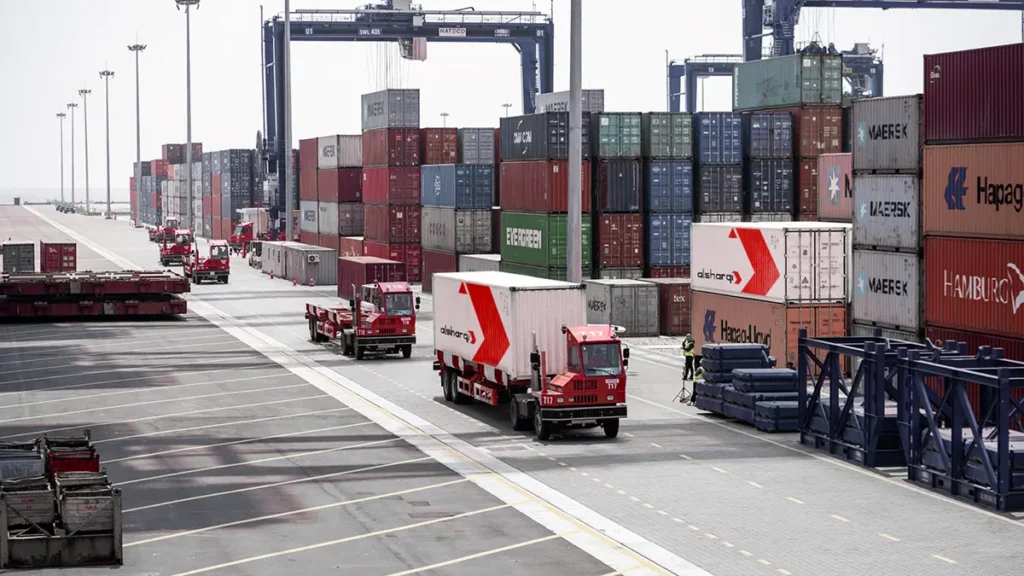
Cross–border charges affect GCC freight operations both directly and indirectly. Let’s have a quick breakdown.
1. Direct Cost Additions
Customs documentation fees, transit permits, inspection charges, and entry/exit processing costs increase total logistics expenses for each shipment.
2. Regulatory Compliance Costs
Transport regulations can significantly affect freight pricing. For example, restrictions on older trucks entering certain GCC markets may force operators to upgrade fleets or use higher-cost transport alternatives.
3. Indirect Costs From Delays
Incomplete documentation, inspections, or customs disputes may lead to shipment holds, demurrage costs, warehouse storage fees, and delivery disruptions.
4. Compound Charges Across Multiple Borders
Shipments moving through several GCC countries accumulate multiple customs processing fees, transit permits, and operational costs at each border crossing.
This is why businesses involved in GCC trucking operations must carefully plan routes, documentation, and compliance procedures.
Top 5 Problems Truckers and Shippers Face at GCC Borders
Cross border transportation and trucking operations face several recurring operational challenges irrespective of the caliber of the brand or service provider. Let’s see these challenges.
1. Delays Due to Incomplete Documents or Errors
Incorrect invoices, missing permits, or customs declaration issues often cause clearance delays. This is not negotiable; everything must be complete.
2. Fees Not Anticipated in Quotes
Unexpected inspections, handling fees, or transit permit charges can increase shipment costs. Shippers sometimes describe these as arbitrary charges in shipping, since they’re rarely itemized in the original quote, which is why it’s best to budget for miscellaneous costs upfront.
3. Geopolitical and Environmental Factors
Regional policy changes, border congestion, weather conditions, and operational restrictions may affect transit schedules. Good examples include the Covid-19 pandemic, the closure of the Strait of Hormuz etc
4. Operational Constraints
Truck shortages, route restrictions, and limited border operating capacity can delay freight movement.
5. Technical and Administrative Delays
System outages, customs processing bottlenecks, and inconsistent paperwork handling can slow down cargo clearance.
3 Best Practices for Smooth Cross-Border Clearance
Businesses can reduce freight delays and unexpected costs by following several operational best practices.
1. Prepare All Documentation in Advance
Ensure invoices, permits, declarations, and certificates are complete before shipment departure.
2. Use Licensed Customs Brokers or Freight Experts
Experienced logistics providers help businesses manage customs procedures more efficiently.
3. Understand Each Country’s Rules Before Departure
GCC regulations differ slightly between countries, especially for regulated or restricted cargo.
How Al Sharqi Helps with Overland Transport & Border Charges?
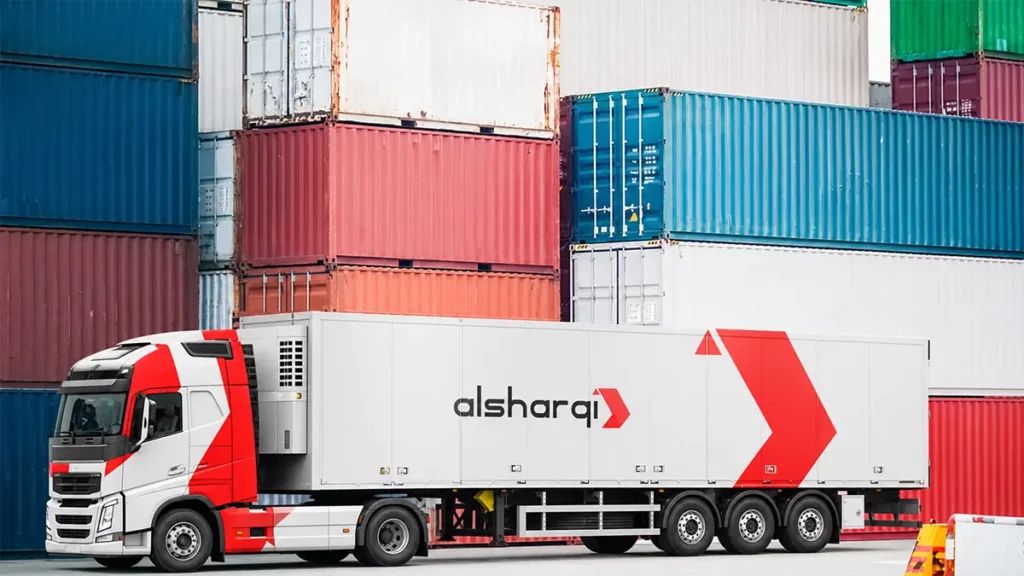
Al Sharqi Shipping Co LLC supports businesses handling overland UAE and GCC freight movement through:
- Customs documentation preparation
- Transit permit coordination
- Route planning and freight optimization
- Customs clearance support
- Cross-border logistics coordination
While many shipping and logistics companies in Dubai offer some form of customs support, Al Sharqi’s experience with GCC border operations specifically helps businesses reduce delays, manage compliance requirements, and better control operational costs associated with border charges across the UAE.
By working with logistics experts familiar with regional customs systems and freight corridors, businesses can improve shipment reliability and minimize unexpected border-related disruptions.
Conclusion
Understanding border charges across the UAE is essential for businesses involved in GCC overland freight operations. Customs fees, transit permits, toll systems, and border compliance requirements all affect transportation costs, delivery timelines, and supply chain performance. By planning documentation carefully, understanding regional regulations, and working with experienced logistics providers, businesses can reduce delays, control freight expenses, and improve cross–border transport efficiency across the GCC.
FAQs
Our experience in the field and our global network
UAE border charges vary based on shipment type, route, customs process, and whether the cargo is commercial or personal. For road freight, fees may include clearance of charges, inspection of fees, permits, and handling costs
Personal items may attract customs duty and VAT depending on their value, quantity, and whether they are considered personal use or commercial goods. Restricted or high-value items may require additional approvals or charges.
You can estimate charges by checking the item value, shipping cost, HS code, customs duty, VAT, and courier handling fees. Many couriers and customs brokers provide calculators or quotes that include border fees in the UAE.
Yes, logistics providers and customs brokers like Al Sharqi Shipping can handle customs documentation, clearance, and border charges for UAE shipments. They help reduce delays and make total shipping costs easier to manage.
Online purchases may become more expensive if customs duty, VAT, courier handling fees, or border crossing fees apply. These charges can also delay delivery if payment or customs documentation is required before release.
Our customer service team is happy to assist you with planing your next booking.

Related Articles

Contract Logistics Services in the UAE: A Complete Guide
Contract logistics services in the UAE allow businesses to hand over some or all of their supply cha
High Tech logistics solutions for Computer Parts & Accessories Shipment | A Case Study
Your trusted partner for secure storage and ocean freight. Summary This case study focuses on Al Sha

Al Sharqi Shipping and Logistics Wins Maersk Most Valuable Partner 2023 Award
Dubai, UAE – May 24, 2024 – Al Sharqi Shipping is proud to announce that it has been awarded the
Post a comment
You must be logged in to post a comment.