


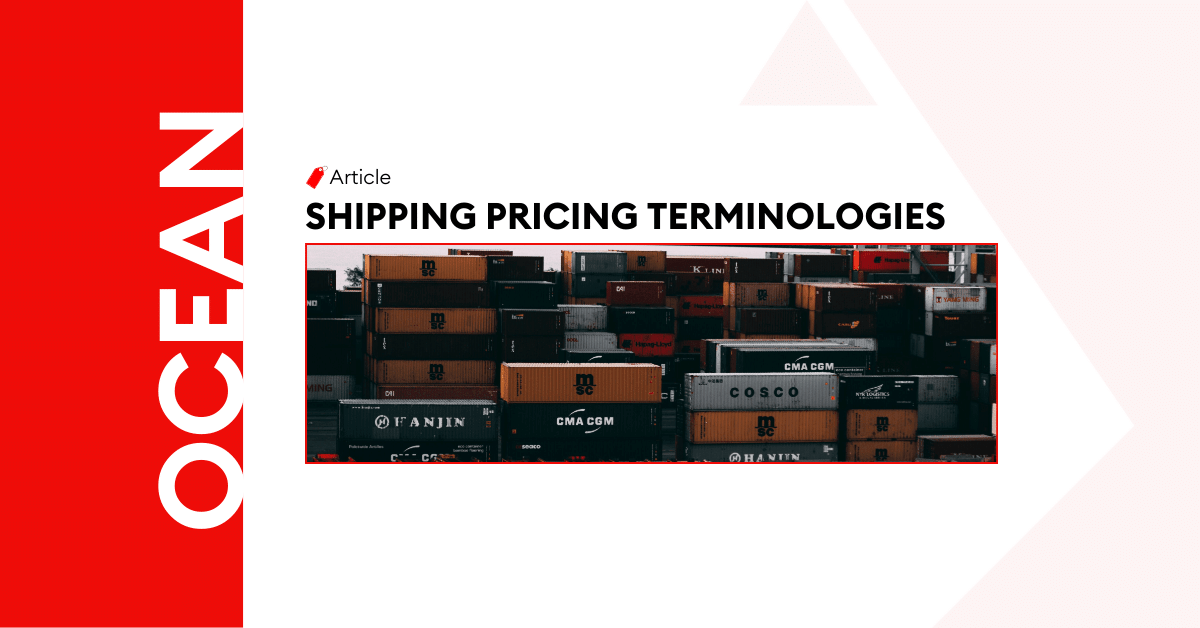
Shipping Pricing Terminologies
Do you find yourself overwhelmed while getting the quotation from your freight forwarder? Then, this blog post is for you. Within this informative piece, we have compiled an extensive list of crucial pricing terminologies utilized within the shipping industry.
Familiarizing yourself with these terminologies will not only enhance your understanding but also elevate your professional competence. To provide you with a comprehensive overview, we have categorized each term based on the mode of transportation you opt for, accompanied by its respective definition.
| Terms | Meaning | Category |
AMS |
Automated Manifest System | It is an electronic information transmission system used by US Customs and Border Protection (CBP). The authorities require filing detailed information of air and ocean shipments on the system, as a security measure. |
Ocean/Air |
AWB |
Airway Bill | It is a legal document issued by a carrier or an agent, containing details of the goods being shipped. It is a standard form distributed by the International Air Transport Association (IATA). |
Air |
BAF | Bunker Adjustment Factor | It is an additional surcharge on the ship operators to compensate for the fluctuating fuel prices. This charge is based on TEU and varies with the trade routes. |
Ocean |
BL |
Bill of Lading | It is a legal document issued by a carrier to a shipper, stating the terms of the agreement. It includes the details of cargo being shipped, such as its type, quantity, and destination. |
Ocean |
BoE |
Bill of Entry | It is a legal document that customs clearance agents or the importers fill out to claim Input Tax Credit (ITC) before the arrival of imported goods. |
Ocean/Air |
BRAF | Bunker Recovery Adjustment Factor | It is an additional charge imposed to compensate for the fluctuation in fuel prices. |
Ocean |
CAO |
Cargo Aircraft | These are aircraft that have no passenger seats and are solely used to transport various types of cargo with maximum payload. |
Air |
CBM, M3 |
Cubic Meter, Meter Cube | It is the freight volume of the consignment for both local and international shipments. CBM is calculated using length, height, and width of the shipment. |
Ocean/Air |
CDS | Customs Declaration Service | CDS is an electronic system implemented by UK’s government to handle customs declaration processes. |
Ocean/Air |
CFS |
Container Freight Station | CFS is a warehouse where goods are stored that belong to different shippers. The shipments are consolidated and deconsolidated here before being exported or after being imported. |
Ocean |
CI |
Commercial Invoice | It is a document required for import and export clearance process and serves as evidence of sales transaction between the buyer and seller. In the buyer’s country, customs officials use this document to calculate the import duties and taxes. |
Ocean/Air |
COO |
Certificate of Origin | This document contains the information on nationality of the product. It shows the country in which the product was manufactured. It is an important part of the custom clearance process as it can be used to determine the legitimacy of the product and calculate import duties on it. |
Ocean/Air |
CRO |
Container Release Order | It is a legal document given by a shipping line to the exporter/shipper. It gives the shipper the authorization to pick up the empty container at the designated depot. |
Ocean |
CW |
Chargeable Weight | Chargeable weight is an abstract quantity that airlines use to determine the cost for shipment of the goods. This could either be the volumetric weight or gross weight, whichever is greater. |
Air |
CY |
Container Yard | It is a physical facility where ocean carriers accept and deliver containers. CY can also be used to issue or receive back the empty containers. |
Ocean |
D&D |
Demurrage and Detention | Demurrage is a charge paid by merchants for the use of container within the terminal beyond its free time period. Whereas detention is a charge paid by the merchants for using containers outside the terminal, beyond free time period. |
Ocean/Air |
D2D |
Door to Door | It is a shipment method where the consignment is picked from the sender’s door and delivered at the recipient’s door. (Curbside delivery only unless specified) |
Ocean/Air |
D2P |
Door to Port | It is one of the affordable international shipping methods where the goods are picked from seller’s warehouse or business address and delivered to closest exit port to the buyer. |
Ocean/Air |
DAFZA |
Dubai Airport Free Zone | DAFZA is one of the most advanced free zones that has over 2500+ registered businesses from 20+ different sectors. The free zone covers a total area of 54,000 sqm. It offers several benefits, including regulatory and tax-free advantages with complete ownership. |
Ocean/Air/Land |
DGR |
Dangerous Cargo | Dangerous cargo means any good, material, or a substance that poses a risk to health, safety, or property while in transit. These goods are covered in the IMDG code due to their flammable, corrosive, and poisonous properties and nature. |
Ocean/Air |
DO |
Delivery Order | It is a document issued by the shipper, carrier, or a freight forwarder for the port operator or a shipping line to hand over the cargo to the responsible party for import activities. The DO does not act as evidence of receipt of goods. |
Ocean/Air |
DPC |
Document Processing Charges | Document Processing Charges refer to the fees or costs associated with handling, processing, and management of various documents involved in the shipping and logistics process. |
Ocean |
DTHC | Destination Terminal Handling | The fee is collected at the port of arrival, which includes the charges for loading and unloading containers from the vessel. |
Ocean |
EBS | Emergency Bunker Surcharge | EBS is a surcharge imposed to compensate for the fluctuating fuel prices. This is paid by the seller of the cargo at the port. |
Ocean |
ED |
Export Declaration | It is a form submitted by the exporter at the port that provides information about the goods being shipped. The details it contains include the type, number, and value of the shipment. It is mandatory for shipments that are exported to a country not in the EU. |
Ocean/Air |
EFF |
Environmental Fuel Fee | It is a surcharge levied on the cargo owners by the ocean carriers to offset the increase in the cost due to the use of cleaner fuels with low sulfur contents in the vessels. |
Ocean |
FEU | Forty Feet Equivalent Unit | It is a standard unit of measurement to determine the maximum container capacity of a 40-ft container. |
Ocean |
FSC |
Fuel Surcharges | It is a fee that shipping companies impose on top of their base rates to account for the seasonal or regional variations in the fuel cost. This amount is charged as a protection of the carrier from the volatility of fuel prices. |
Air |
FTA | Free Trade Agreement | It is an agreement between two or more countries to reduce the trade barriers for easier import and export conditions. |
Trade |
FTZ |
Foreign Trade Zone | It is a geographical area within the US, generally close to a port of entry. This area is considered to be out of customs territory, so the shippers can avoid paying customs duties while their products remain in the zone. |
Trade |
GCR |
General Cargo | General cargo is a term referring to the goods that can be transported individually in one piece. It could be in the form of a pallet, package, or a box. |
Ocean/Air |
GRI |
General Rate Increase | It is an adjustment in ocean freight across specific or all trade lanes for a specific period of time. They are usually initiated by big carriers, spurred by changes in the demand and supply in freight shipping. |
Ocean |
GW |
Gross Weight | It is the total weight of the shipment being carried, including the weight of the goods and their packaging. The tare weight of the transport unit is not calculated in GW. |
Ocean/Air |
HAWB |
House Airway Bill | HAWB is issued by a freight forwarder on receipt of goods, agreeing to deliver the consignment to the destination. It is required for consolidated air shipments. |
Air |
HAZ |
Hazardous | A category of cargo that presents an unreasonable risk to health, safety, or property while in transit. |
Ocean/Air |
HBL |
House Bill of Lading | It is a legal document that indicates that the carrier has received the shipment. It also shows that the consignment has no damage and is ready to be shipped to the consignee. |
Ocean |
HC |
High Cube | High cube containers have the dimension of 9’6”. They have the same floor space as a standard container; however, they offer extra storage by adding more height to the container. |
Ocean |
HFZ |
Hamriyah Free Zone | HFZ is located in Sharjah, UAE, facilitating regional and international trade by providing multiple services, including logistics, modern infrastructure, and investors connectivity. The free zone spreads over an area of 24 sq km. |
Ocean/Air/Land |
HS Code |
Harmonized Systematic Code | It is a 6-digit numerical classification system used for export processes. The custom authorities use this method to identify the products while calculating duties and taxes. |
Ocean/Air |
HWS |
Heavy Weight Surcharge | Heavy weight surcharge is a cost imposed on 20 ft containers that weighs more than 14,000 kg tare. An empty 20-ft standard container itself weighs 2,300 kg and can carry cargo of 28,000 kg. |
Ocean |
IG |
In-Gauge | In-Gauge is a categorization of products that have smaller or equal dimensions than to flat rack or open top containers. Examples include machinery or big trees that can be lowered in an open top container. |
Ocean |
ISPS | International Shipment and Port Facility Security | ISPS is maritime security regulation that helps ships and port facilities to coordinate in detecting and deterring acts that can be a threat to maritime security. |
Ocean |
JAFZA |
Jebel Ali Free Zone Authority | It is a flagship freezone of DP world and considered to be the biggest customs bonded zone in the Middle East, spread over the area of 46,112 sqm. There are over 9,500 businesses operating. It offers several benefits such as 100% foreign ownerships, 0% import and export duties, and 0% corporate tax. |
Ocean/Air/Land |
LOLO |
Lift on Lift off | Lift on Lift off is a type of cargo vessel that has its own cranes to facilitate the loading and unloading of the cargo, without the need for any external cranes. |
Ocean |
MAWB |
Master Airway Bill | It is a legal transport document used in air shipment that acts as evidence of terms and conditions of goods transportation over the carrier’s route. MAWB is signed by air cargo carriers or their agents. |
Air |
MSDS |
Material Safety Data Sheet | It is a supporting document for the shipment that contains detailed information and a technical breakdown of the shipment’s content to show that the item does not fall under the Dangerous Good (DG) category. |
Ocean/Air/Land |
Non-HAZ |
Non-Hazardous | Cargo that has no corrosive, flammable, reactive, or toxic property is non-hazardous cargo. There is no need for a warning label with these products. |
Ocean/Air |
NVOCC | Non-Vessel Operating Common Carrier | NVOCC is an ocean carrier who performs all the services as a freight forwarder; however, they do not own their vessels. |
Ocean |
NW |
Net Weight | It is a measurement method in shipping where the weight of the product itself is only calculated, without considering any external factor that could contribute to its mass, including the weight of packaging or containers. |
Ocean/Air |
OH |
Over Height | Over Height is a cargo categorization of products that are longer than 8 feet and cannot fit in a standard container. |
Ocean/Air |
OOG |
Out of Gauge | Out of gauge is the categorization of products that are too tall or wide to fit the regular shipping container. |
Ocean |
OW |
Overweight | An overweight is the load that exceeds 8000 pounds. Their weight surpasses the regulations of specific truck types. Special regulations are imposed on this type of cargo; mainly to protect the nation’s infrastructure. |
Ocean |
OW |
Over Width | Over Width is a cargo categorization of products that are wider than 8.5 feet and cannot fit in a standard container. |
Ocean/Air |
P2D |
Port To Door | It is a delivery service method where the items are picked from a port of an airport and delivered to the place decided by the consignee or the shipper. |
Ocean/Air |
P2P |
Port to Port | Port to port refers to shipping of containerized goods from the port of origin to the port of destination. This is considered to be the most expensive part of the shipping process due to the risks faced by the shippers while at sea. |
Ocean/Air |
PAX | Passenger Aircraft | The passenger aircraft is the one that is used to fly travelers with capacity to hold minimum luggage. | Air |
PER |
Perishable Cargo | Perishable cargo is a category of products that requires certain temperature conditions to maintain their integrity. They can deteriorate during transportation if they are exposed to humidity or other unappropriated conditions. |
Ocean/Air |
PL |
Packing List | This document itemizes all the contents in each package, including the goods list, their measurements and other details. It could be added inside each package or carton or could be attached outside the box with a copy inside. |
Ocean/Air |
PSS | Peak Season Surcharge | It is an additional charge imposed by shipping companies to the base freight rate when there is a high demand in the supply chain network. |
Ocean/Air |
RF/RE |
Reefer | The term reefer in shipping refers to refrigerated shipping containers that are used to transport goods that requires temperature-controlled conditions. |
Ocean/Air |
SD |
Store Door/ Storage Door | The store door/storage door is also known as carrier haulage. It is a situation where the carrier takes the responsibility for transporting the containers from the load address to the port. |
Ocean |
SC |
Security Surcharge | It is a security infrastructure fee that airlines charge above their base rates to cover the additional security measures mandated by the airport authority. |
Air
|
SI |
Shipping Instructions | It is a document provided to the carrier by the customer and contains the details of the cargo and the requirements for its physical transportation. |
Ocean |
SL |
Shipping Line | A shipping line is a company or an organization that owns a fleet of cargo vessels that they use to transport goods between two ports on international routes. |
Ocean |
STD | Standard Container | The 20-ft and 40-ft are considered to be the standard containers. They are used to deliver the majority of dry cargo across the globe. |
Ocean |
SWB |
Seaway Bill | It is a transportation contract between a shipper and the maritime company. This document is not required for cargo delivery, as it is only used as a cargo receipt. |
Ocean |
TEU |
Twenty Feet Equivalent Unit | It is an exact unit of measurement to determine the cargo capacity of the container ships and terminals. This measurement is derived from the dimensions of 20-ft container (20ft long, 8ft wide, and 8.6ft tall). |
Ocean |
THC |
Terminal Handling Charges | Fees charged by the shipping terminals for storing and positioning the containers before they are loaded onto the vessels. It is also charged for equipment handling, maintenance, and discharging equipment. |
Ocean |
TLUC |
Truck Loading Unloading Charges | Truck Loading Unloading Charges refer to the fees or costs associated with the loading and unloading of goods onto or from a truck during transportation. |
Ocean |
TOO | Transfer of Ownership | It is an act of point where the ownership of the shipment is transferred from one person to another. |
Ocean/Air |
TW |
Tare Weight | Tare weight refers to the weight of an empty container, car, or vehicle. It must be mentioned in the documents according to the international shipping regulations. |
Ocean |
ULD |
Unit Load Device | ULD is an aircraft pallet, container, or a net combination of pallet to consolidate the cargo to help with loading the products onto an aircraft. |
Air |
VAT | Value Added Taxes | A consumption tax levied on goods and services at each stage of the supply chain where value is added to the product. |
Ocean/Air |
VGM | Verified Gross Mass | VGM is a combined weight of the shipment that includes tare weight of the container, shipment’s cargo, dunnage, and bracing. |
Ocean |
VW |
Volumetric Weight | This measurement is used by shipping companies to calculate the density of the package to see how much space it takes up in the container. This value will then be compared by the package’s physical weight. |
Ocean/Air |
W/M |
Weight per Measurement | It is a measurement method that is used to calculate the freight rates. It could either be in terms of per metric ton (1000 kgs) or per cubic meter (35.3 cubic feet), whichever is greater. |
Ocean |
Get in touch with Al Sharqi’s experts for more details!
Our customer service team is happy to assist you with planing your next booking.

Related Articles
Al Sharqi Shipping and Logistics Wins Maersk Most Valuable Partner 2023 Award
Dubai, UAE – May 24, 2024 – Al Sharqi Shipping is proud to announce that it has been awarded the
Sustainability Milestone: Al Sharqi Shipping Receives 2023 Maersk ECO Delivery Certificate158
Al Sharqi named as the Maersk Line UAE Most Valuable Partner 2022 Dubai, UAE – Al Sharqi Shipping
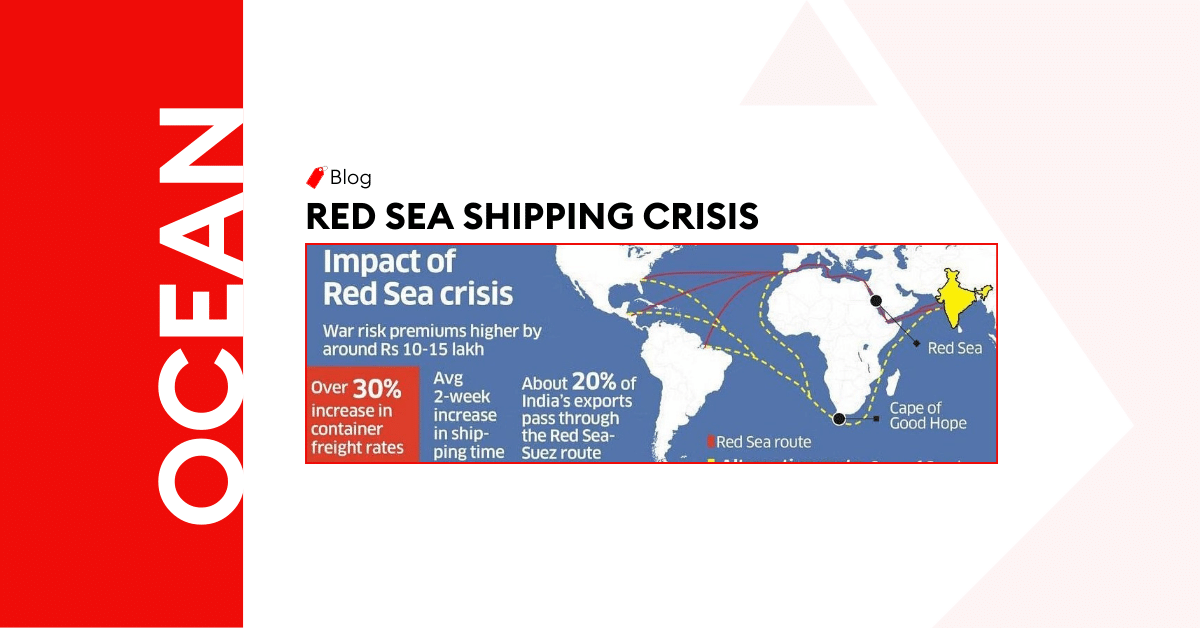
Strategic Shifts in Maritime Trade: Responding to the Red Sea Shipping Crisis
The Red Sea, a critical maritime artery connecting Europe, Asia and North America but recently it ha
Post a comment
You must be logged in to post a comment.