


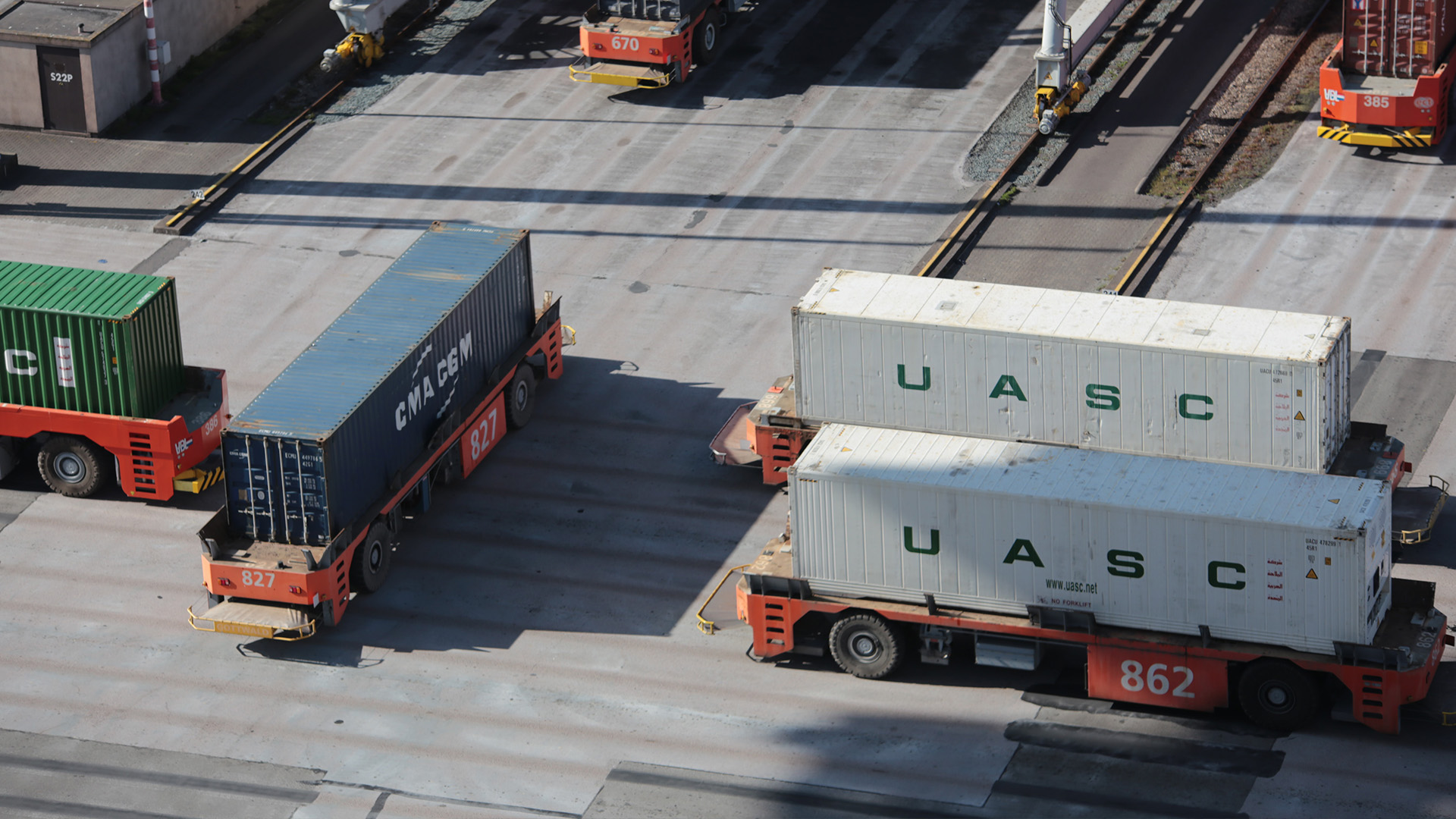

Warehousing Services in Abu Dhabi
Abu Dhabi’s strategic location in the UAE gives businesses direct access to major seaports, international airports, and key GCC trade routes. This makes warehousing services in Abu Dhabi essential for companies moving goods across regional and global markets. As a growing hub for international trade, logistics, and industrial activity, the emirate offers strong infrastructure for storage, distribution, and supply chain operations.
This article explores warehouse types, key benefits, best practices, and how Al Sharqi Shipping supports reliable warehousing in Abu Dhabi.
What is a warehouse in Abu Dhabi?
Warehousing in Abu Dhabi refers to the organized storage, handling, and movement of goods within one of the UAE’s most important logistics environments. It supports importers, exporters, manufacturers, retailers, FMCG distributors, and e-commerce businesses that need reliable storage before goods move to local, regional, or international markets.
Abu Dhabi connects businesses to major ports, airports, industrial zones, and GCC trade routes, and warehousing plays a major role in cross-border distribution. Companies often search specifically for warehouse storage Abu Dhabi options to hold inventory closer to customers, reduce delivery delays, manage customs-related processes, and support smoother supply chain planning. And those are involved in international shipping often consider freight pricing factors such as the General Cargo Rate (GCR) when planning transportation and storage strategies.
A major advantage is the emirate’s access to Khalifa Port, Abu Dhabi Ports infrastructure, industrial clusters, and free zone facilities. These assets make it easier for companies to import raw materials, store finished goods, and distribute products across the UAE, Saudi Arabia, Oman, and other GCC markets.
Many of these facilities also function as a regional distribution center for logistics teams managing GCC-wide delivery, which keeps demand strong for a dependable distribution center in UAE close to Abu Dhabi’s ports. This is one reason interest in cross border ecommerce keeps growing, as more sellers need a base to store and forward orders across the region.
The Role of Warehousing in Efficient Distribution for FMCG, Retail, and E-commerce in Abu Dhabi warehouse Operations

FMCG, retail, and e-commerce companies depend on speed, accuracy, and stock availability. A well-managed Abu Dhabi warehouse helps these businesses keep products close to demand points, reduce stockouts, and fulfill orders without unnecessary delays. This is especially important for fast-moving products such as food items, beverages, household goods, electronics, fashion, and personal care products.
For FMCG businesses, warehousing supports bulk storage, batch control, expiry tracking, and faster replenishment to supermarkets or distributors. For retailers, it helps maintain balanced stock across stores and online channels. For e-commerce businesses, warehousing enables quick picking, packing, dispatch, and returns handling.
For example, a retailer preparing for Ramadan promotions can store seasonal stock in advance and distribute it quickly when demand rises. An e-commerce seller can use warehouse storage services to manage daily orders instead of holding products in limited office or shop space. In both cases, warehousing improves customer satisfaction by making products available when buyers need them.
Free Zone vs Non-Free Zone warehouse in Abu Dhabi
Businesses choosing a warehouse in Abu Dhabi often need to decide between free zone and non-free zone warehousing. The right option depends on whether the goods are mainly for re-export, UAE mainland sale, manufacturing support, or regional distribution. Free zone warehousing in particular suits companies focused on cross-border delivery GCC operations, since duties can often be deferred until goods leave the free zone.
Let’s break it down using the table.
Factor | Free Zone Warehousing | Non-Free Zone Warehousing |
Best for | Re-export, regional distribution, international trade | UAE mainland sales and local distribution |
Customs duties | Duties may be deferred until goods enter the mainland | Duties usually apply when goods are imported |
Business setup | Operates under free zone rules | Operates under mainland rules |
Distribution | Strong for GCC and global movement | Strong for domestic delivery |
Flexibility | Useful for import-export businesses | Useful for companies selling directly in the UAE |
9 Major Operations in a Warehouse in Abu Dhabi
A professional warehouse in Abu Dhabi is more than a storage facility. It is an operational center where goods are received, checked, organized, moved, packed, and dispatched with accuracy. Each activity affects inventory control, delivery speed, and customer satisfaction.
The most important warehouse operations include:
- Receiving: Goods are unloaded from trucks, containers, or other carriers. The warehouse team checks quantities, inspects product condition, confirms shipment documents, and updates inventory records.
- Put-Away: After receiving, products are moved to the correct storage area. Good put-away reduces search time, prevents congestion, and ensures stock can be picked quickly when orders arrive.
- Storage and Inventory Management: Goods are stored based on product type, volume, turnover rate, and handling needs. Regular cycle counts help maintain inventory accuracy and reduce stock discrepancies.
- Replenishment: Stock is moved from reserve storage to picking locations. This keeps fast-moving goods available for order fulfillment without delaying dispatch.
- Order Picking: Warehouse teams retrieve items for customer orders. Barcode scanners, handheld devices, and warehouse management systems help reduce picking errors.
- Packing and Shipping: Orders are packed, labeled, checked, and loaded for dispatch. Proper packaging protects goods and supports smooth delivery.
- Value-Added Services: Some warehouses offer kitting, bundling, relabeling, light assembly, promotional packaging, and product customization.
- Reverse logistics: Returned goods are inspected, restocked, repaired, repacked, or disposed of based on business rules.
- Safety and Maintenance: Safe layouts, clean aisles, trained operators, and maintained equipment reduce accidents and support efficient daily operations.
Types of Warehouses in Abu Dhabi Based on Storage Durations

Businesses need different storage solutions in Abu Dhabi depending on stock volume, product movement, and how long goods need to remain in storage. Choosing the right storage duration helps control costs and ensures the warehouse supports the company’s supply chain instead of slowing it down.
- Short-Term Warehousing: Useful when companies need temporary space for seasonal products, promotional campaigns, project cargo, or sudden stock increases.
- Long-Term Warehousing: Better for goods that move slowly or require stable storage for months, often inside a bulk storage warehouse built for industrial or wholesale volumes. High-volume warehousing supports businesses with rapid stock movement and frequent inbound and outbound activity.
Benefits of Short-term vs Long-term Warehousing
Both models can support warehousing services in Abu Dhabi, but the right choice depends on how predictable demand is and how much inventory the business carries.
|
Factor |
Short-Term Warehousing |
Long-Term Warehousing |
|
Best for |
Seasonal stock, promotions, temporary overflow |
Bulk materials, slow-moving goods, stable inventory |
|
Cost structure |
Flexible, but may cost more per unit over time |
More cost-effective for predictable long-term storage |
|
Flexibility |
High flexibility for changing demand |
Better for planned inventory control |
|
Business fit |
Retail, events, e-commerce peaks |
Industrial, wholesale, manufacturing support |
Get In Touch
Types of Warehouses in Abu Dhabi Based on Budget and Shared Warehouse Needs
Budget is one of the biggest factors when selecting a warehouse. Not every business needs a full facility, especially when inventory levels change from month to month. Hence, two options:
- Shared Warehouse: Allows multiple businesses to use the same warehouse infrastructure while paying for the space and services they need. It is suitable for small and medium businesses, start-ups, e-commerce sellers, and companies testing a new market.
- Dedicated Warehouse: Brands have the full facility. Fits better for businesses with high stock volume, sensitive cargo, specialized workflows, or strict operational control requirements.
How to Align Your Budget with the Right Warehouse Type?
A business with low or seasonal inventory can reduce costs by using shared space instead of leasing an entire warehouse. This can lower spending on rent, labor, equipment, security, and warehouse technology. It also gives the business room to scale when demand increases.
A larger company may benefit more from a dedicated facility if it needs exclusive control over layout, staff, access, inventory processes, and service levels. Long-term storage contracts, better demand forecasting, and efficient pallet planning can also reduce total warehousing costs over time.
Types of Warehouses in Abu Dhabi Based on Cargo Type
Cargo type has a direct impact on warehouse selection. General goods, food products, pharmaceuticals, chemicals, and industrial materials do not require the same storage conditions. Choosing the wrong facility can lead to product damage, compliance issues, rejected shipments, or higher operating costs.
- General Goods Warehouse: They are used for non-perishable products such as furniture, electronics, spare parts, packaging materials, and retail goods.
- Temperature-Controlled Warehouse: It supports products that must remain within specific temperature ranges. Businesses dealing with chilled or frozen products may need cold storage facilities in Abu Dhabi or a frozen food warehouse with the right monitoring systems. For shorter transit needs or as buffer space, some operators also rely on an insulated storage container to protect temperature-sensitive goods between warehouse and final delivery.
- Dangerous Goods Warehouse: They are designed for hazardous materials that require special handling, trained personnel, ventilation, segregation, labeling, and regulatory compliance. These facilities must follow strict safety controls to protect people, products, and the surrounding environment.
How to Choose the Right Warehouse Based on Your Cargo Type?
The right warehouse should match the product’s storage temperature, handling risks, shelf life, packaging type, and documentation needs. Food and pharmaceutical products require clean, controlled, and monitored environments. Industrial chemicals need safety systems and compliance controls. High-value goods require stronger security and traceability.
Before selecting a warehouse, businesses should confirm storage conditions, cargo handling procedures, insurance coverage, safety standards, and whether the provider can manage special requirements such as batch tracking, expiry control, or regulated goods handling.
Specialized Warehouses in Abu Dhabi
Specialized warehouses support businesses with cargo that requires more than basic storage. These facilities are built around customs, safety, product quality, speed, or industry-specific handling needs. Choosing the right specialized facility can reduce risk and improve supply chain performance.
- Bonded Warehouse: Bonded warehouse stores imported goods before customs duties are paid. This is useful for businesses that want to defer duty payment until products are released into the local market or re-exported. It can improve cash flow and support regional distribution planning.
- Food-Grade Warehouse: A food grade warehouse for rent is designed for food storage and must support hygiene, pest control, temperature management, and safe handling.
- E-commerce Warehouse: It focuses on fast order processing, SKU-level inventory accuracy, returns management, and last-mile dispatch. These facilities are often structured to handle high order volumes with short turnaround times.
Types of Warehouses Based on Packaging Systems in Abu Dhabi

Packaging affects how goods are stored, handled, picked, and shipped. A warehouse that works well for cartons may not be suitable for loose raw materials, oversized cargo, or products requiring special packaging before dispatch. This is why businesses should consider packaging systems before choosing a facility.
- Pre-Packaged Warehouse: They are suitable for ready-to-ship goods already packed in cartons, boxes, pallets, or retail units. These products are easier to count, move, label, and dispatch.
- Custom Packaging Warehouse: It supports businesses that need repacking, branding, labeling, bundling, or e-commerce-ready packaging. This can be valuable for sellers that want to prepare products for marketplaces, retail shelves, or direct-to-customer delivery.
How Packaging Affects Warehouse Selection?
Bulk goods usually require more space, special equipment, and careful handling to avoid loss or contamination. Pre-packaged goods are easier to stack, palletize, and move through standard warehouse workflows. Custom-packaged goods need additional labor, packing materials, quality checks, and process control.
Packaging also affects cost. Poor packaging can increase storage space, damage rates, and handling time. Good packaging improves space utilization, protects products, and reduces the cost of returns or replacement shipments.
Reducing Costs and Improving Efficiency Through Industrial Storage in Abu Dhabi
For companies in Abu Dhabi, the right warehouse setup can support faster distribution across the UAE and GCC while reducing unnecessary movement, storage waste, and order delays.
Modern commercial storage Abu Dhabi facilities also make it easier to manage inventory, plan dispatches, and keep products available closer to customer demand.
- Strategic Inventory Positioning: Placing stock closer to key markets reduces long-distance transport and helps businesses respond faster to customer orders. Many also use collaborative supply chain forecasting with their warehouse partner to align replenishment schedules with seasonal demand spikes.
- Faster Order Fulfillment: Pre-positioned goods allow warehouse teams to pick, pack, and dispatch orders quickly, especially for FMCG, retail, and e-commerce operations.
- Reduced Transportation Costs: Nearby warehouses help lower last-mile delivery costs, reduce fuel use, and improve route planning for regular deliveries.
- Better Space Utilization: Organized storage systems, racking, and inventory tracking help businesses use warehouse space efficiently and reduce wastage.
What to Consider When Selecting an Warehouse in Abu Dhabi?

Choosing the right warehouse in Abu Dhabi requires businesses to look beyond rental cost. The facility should support the company’s cargo type, storage volume, delivery timelines, and wider supply chain needs.
- Location: Choose a warehouse close to Abu Dhabi Ports, airports, highways, and key delivery routes to improve access and reduce transit time.
- Cost vs. Capacity: Compare storage costs with your actual space needs, product volume, seasonal demand, and expected business growth.
- Service Offerings: Look for providers that offer warehouse storage services, inventory management, packaging, shipping, and order fulfillment support.
- Security: Check for 24/7 monitoring, access control, fire safety, climate control where needed, and clear insurance coverage.
Questions to Ask a Warehouse Provider in Abu Dhabi
Before choosing a provider, ask clear questions about capacity, pricing, services, and regional logistics support. This helps confirm whether the warehouse can handle your business requirements.
- What is your storage capacity and pricing model?
- Do you provide pick and pack, inventory management, or order fulfillment services?
- How do you handle customs clearance and cross-border logistics for GCC shipments?
Top 3 Warehouse Technologies to Enhance Operations in Abu Dhabi
Warehouse technology helps businesses improve stock accuracy, reduce manual errors, and speed up daily operations. This is especially important for companies handling high SKU volumes, fast-moving goods, or regional distribution.
For businesses using logistics and warehousing solutions in Abu Dhabi , the right technology can improve visibility from receiving to final dispatch.
- Warehouse Management Systems (WMS): A WMS helps track inventory in real time, manage stock locations, support cycle counting, and improve order accuracy. Many providers now offer a 3PL WMS for Abu Dhabi businesses, giving FMCG and e-commerce companies full visibility without the cost of building their own system.
- Warehouse Execution Systems (WES): A WES coordinates warehouse tasks such as receiving, replenishment, picking, packing, and shipping for smoother daily operations.
- Automated Handling Technology: Tools such as barcode scanners, RFID, conveyors, automated racks, and picking systems help improve speed, accuracy, and safety.
Why Al Sharqi Shipping Co LLC is Your Trusted Warehousing Partner in Abu Dhabi?

Businesses need a warehousing partner that can support storage, inventory movement, distribution, and regional logistics with consistency. The right provider helps reduce delays, control costs, and keep goods moving smoothly. For many companies, working with established third party logistics providers removes the burden of running an in-house warehouse team and gives access to ready infrastructure. Businesses comparing 3PL companies in UAE often look for a partner that can combine warehousing with broader freight and customs support under one roof.
Al Sharqi Shipping in Abu Dhabi supports companies with flexible warehousing solutions built around cargo type, stock volume, handling needs, and delivery requirements.
- Full-Service Warehousing: Al Sharqi Shipping supports storage, inventory management, shipping coordination, and related logistics services under one solution.
- Customized Solutions: Services can be tailored for short-term storage, long-term warehousing, temperature-sensitive goods, value-added services, or specific cargo needs.
- Regional Expertise: Al Sharqi Shipping understands Abu Dhabi’s logistics market and supports cross-border movement across the UAE and GCC.
Conclusion
Warehousing is a key part of Abu Dhabi’s logistics strength. The emirate’s port access, free zones, industrial infrastructure, and regional connectivity make it a strong location for businesses that need efficient storage and distribution, making it an important hub for freight forwarding companies in UAE.
The right warehouse depends on cargo type, storage duration, budget, packaging needs, technology requirements, and distribution goals. A company handling FMCG goods may need fast replenishment and temperature control, while an industrial business may need long-term bulk storage. An e-commerce seller may need fast picking, packing, and returns handling.
FAQs
Our experience in the field and our global network
The best warehousing company depends on your cargo type, storage volume, budget, and distribution needs. Al Sharqi Shipping is a strong option for businesses that need warehousing services in Abu Dhabi, freight support, inventory handling, and regional logistics expertise.
Affordable warehousing services are commonly available around industrial areas such as Mussafah, ICAD, and KEZAD, where many providers offer business storage Mussafah and long-term storage solutions Mussafah for companies that need steady, predictable space. Businesses with smaller volumes can reduce costs by choosing a shared warehouse in Abu Dhabi or flexible storage instead of leasing a full facility.
Costs for storage solutions Abu Dhabi vary based on location, warehouse size, storage type, handling needs, and contract duration. Small warehouse rentals may start from around AED 8,000 per month, while shared storage, pallet storage, and 3PL services are usually priced based on space, volume, or service level.
Small businesses can choose shared warehousing, pallet storage, short-term storage, self-storage, e-commerce fulfillment space, or 3PL-managed warehouse storage services. These options help reduce fixed costs while still giving access to professional storage and distribution support.
Our customer service team is happy to assist you with planing your next booking.


Related Articles
Optimize Warehousing, Fulfillment and Shipping Cost
In today’s fast-paced business environment, efficient distribution and shipping play a crucial
Frozen and Chilled Storage Warehouse in Dubai
Dubai’s hot climate means efficient storage is a prominent concern for manufacturers and selle
Keeping Your Food Safe with Food Grade Warehouse in Dubai
Currently, the United Arab Emirates (UAE) relies on other countries for the bulk of its food supplie
Post a comment
You must be logged in to post a comment.