


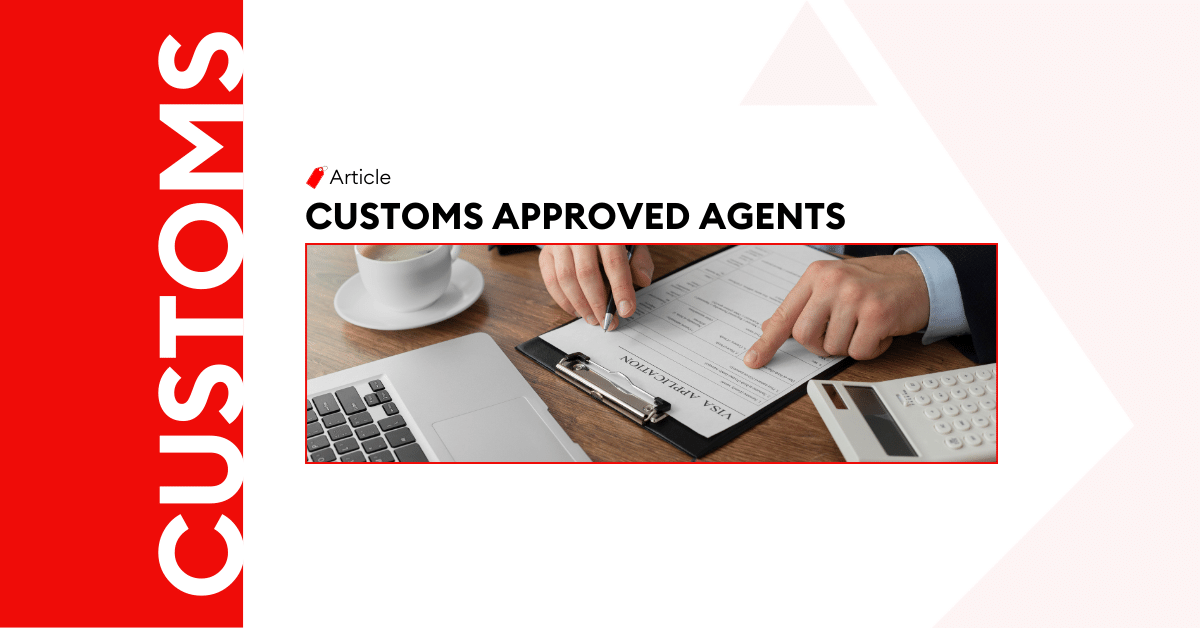

UAE VAT and Customs Approved Agents
Understanding VAT compliance is critical for businesses importing goods into the UAE, as failure to meet requirements can lead to delays, fines, or rejected shipments. Customs approved agents play a pivotal role in navigating these regulations, ensuring that imports comply with UAE customs regulations and VAT rules.
By leveraging their expertise, businesses can streamline customs clearance, minimize errors, and maintain smooth operations. This guide will help readers identify the right customs agent, understand the responsibilities of a customs agent, and select certified professionals to avoid delays, reduce risks, and stay fully compliant.
How VAT on Imports Works in the UAE?
Understanding VAT on imports is essential for businesses shipping goods into the UAE. VAT applies at the point of import and ensures that goods entering the UAE mainland comply with the standard 5% rate. The process differs based on whether an importer is VAT-registered or not.
For registered importers, the VAT amount can often be reclaimed or offset against output tax, simplifying cash flow. Non-registered importers must pay VAT upfront during customs clearance, adding an extra step to the import process.
VAT Import Scenarios That Affect Clearance
- Import to the UAE mainland: Standard VAT is applied, and goods are cleared only after VAT settlement with the FTA.
- Import then export (re-export): If goods are imported for re-export, VAT may be zero-rated, provided documentation supports outbound shipment.
- Import to designated zones / transfers between designated zones: Goods in designated free zones often do not attract VAT while inside the zone, but transferring to mainland triggers standard VAT.
Who is a Customs Approved Agent in the UAE?
Customs approved agents in the UAE are licensed professionals authorized to handle customs and VAT processes on behalf of importers. Their role is crucial in ensuring compliance and smooth clearance of goods at UAE ports.
Key responsibilities include:
- Customs declaration & inspection support: Preparing accurate declarations and coordinating inspections to avoid delays.
- Gate passes / transport coordination: Managing entry and exit passes for trucks and coordinating movement within ports and free zones.
- Dubai Customs and DP World payments: Handling port fees, VAT, and other necessary payments efficiently.
- Delivery orders, NOCs, reports: Ensuring all documentation, no-objection certificates, and reports are accurately processed.
- Dubai Customs registration and renewals: Managing agent registration, renewal, and maintaining certified status to remain compliant.
By using licensed customs agents, importers can mitigate errors, avoid fines, and ensure timely clearance.
What is the Difference Between a Tax Agent and Customs Approved Agent?
It is important to distinguish between a tax agent and a customs approved agent. While both assist with regulatory compliance, their focus areas differ.
Feature | Tax Agent | Customs Approved Agent |
Primary Role | Handles VAT compliance, returns, and FTA submissions | Manages customs clearance, inspections, and import/export documentation |
Authority | Recognized by Federal Tax Authority (FTA) | Recognized by Dubai Customs & UAE Customs Authorities |
Services | VAT filings, refunds, advisory | Gate passes, delivery orders, customs payments, inspection coordination |
Applicable Scope | VAT compliance across all UAE business operations | Import/export shipments at ports and free zones |
Can You Clear Imports If You’re Not VAT Registered?
Non-registered importers must follow specific procedures outlined by the Federal Tax Authority (FTA) before they can clear imports.
- Submit customs declaration at port.
- Await customs settlement for duties and VAT.
- Create an FTA e-Services account if required.
- Pay VAT manually through FTA e-Services.
- Complete clearance once VAT payment is confirmed.
Key issues for non-registered importers include delayed clearance due to manual VAT settlement, higher risk of errors, and additional administrative steps compared to VAT-registered importers. Customs clearance agents can help streamline this process.
Required Documents for VAT-Compliant Customs Clearance in the UAE
Proper documentation is the backbone of a customs clearance agent’s work in the UAE. Having the right documents ensures shipments clear efficiently and VAT obligations are met. Key documents include:
- Commercial Invoice: Lists the goods, quantities, and value. It serves as the primary reference for VAT calculation and customs duties. Accuracy here avoids disputes or delays.
- Packing List: Provides detailed information on each shipment item, including weights and packaging type. Helps customs verify the cargo matches the invoice.
- Certificate of Origin: Confirms where goods were produced, which may affect customs duties and eligibility for free zone exemptions.
- Import/Export Permits (if applicable): Certain goods, especially controlled or restricted items, require special permits before clearance.
- Delivery Orders and Shipping Documents: Used to coordinate pickup, transport, and handover of goods, including gate passes and port access.
- VAT Invoices and Proof of Payment: Essential for VAT-compliant customs clearance, showing VAT has been accounted for in accordance with FTA rules.
- Certificates for Restricted or Controlled Goods: Necessary for items like chemicals, pharmaceuticals, or high-risk products to ensure regulatory compliance.
7 Common Mistakes with Paperwork That Cause Delay
Even small errors in documentation can result in shipment delays.
Typical mistakes include:
- Incomplete or incorrect paperwork submitted to customs.
- Failure to provide proper VAT invoices or proof of payment.
- Missing or improperly filled customs declarations.
- Incorrect Harmonized System (HS) codes, causing misclassification.
- Missing or invalid proof of export/import for goods moving to or from free zones.
- Not keeping up with changes in UAE customs regulations.
- Improper use of customs duty exemptions without approval.
Top 5 Reasons Shipments Get Stuck and How to Avoid Them
Even when all required documentation is prepared, shipments can still face delays at UAE ports if certain critical steps are missed. Understanding the common pitfalls and planning ahead can help importers avoid unnecessary hold-ups and additional costs.
The following are the top reasons shipments get stuck and how using a customs approved agent can help prevent them:
1. Missing VAT Steps
Shipments may stall if VAT is not correctly calculated or paid, particularly for non-registered importers. Asking customs approved agents in the UAE to handle VAT settlements can prevent clearance delays.
2. Wrong Importer Status
Incorrectly identifying a non-registered entity as a VAT-registered importer can create complications. Always verify importer registration and VAT status before shipment arrival.
3. Incomplete Paperwork
Missing invoices, packing lists, or certificates can halt customs clearance. Maintain a checklist of all required documents and cross-check before submission.
4. Incorrect Valuation or HS Classification
Errors in declaring the goods’ value or using the wrong HS codes trigger inspections and additional checks. Experienced agents can ensure accurate classification and prevent unnecessary hold-ups.
5. Restricted Goods Approvals Not in Place
Certain items require prior approvals or permits. Failing to obtain these before shipping can result in immediate rejection at the border. Always confirm approvals through licensed customs agents.
Best Practices to Stay Compliant
- Implement robust documentation controls and checklists.
- Use experienced and certified customs clearance agents.
- Keep all VAT and customs records audit-ready for compliance.
How to Choose a Customs Approved Agent in the UAE?
Selecting the right customs agent services in the UAE is critical to streamline clearance and avoid compliance issues. Key considerations include:
- Active Systems and Coverage: Confirm which customs platforms and ports the agent operates in.
- VAT Payment Workflows: Ensure they handle VAT settlements efficiently for both registered and non-registered importers.
- Inspection and Port Services: Check if they support inspections, port payments, delivery orders, NOCs, and gate passes.
Red Flags to Avoid
- “All-in” quotes that hide additional port or terminal fees.
- Unclear responsibility for VAT settlement timing, which can delay clearance.
- Lack of experience with certified customs agents or UAE regulatory compliance.
How Al Sharqi Shipping Can Help with Customs in the UAE?
Al Sharqi provides comprehensive customs support services for businesses navigating UAE VAT and import compliance. Their expertise ensures smooth clearance and minimizes delays.
Key offerings include:
- Customs Documentation & Filing: Preparation and submission of all required import/export paperwork to UAE customs.
- VAT Settlement Support: Managing VAT payment workflows for both registered and non-registered importers.
- Inspection & Gate Pass Coordination: Handling port inspections, NOCs, delivery orders, and truck entry/exit passes.
- Port Payments & Transactions: Efficient management of fees, charges, and customs-related payments.
- Compliance Guidance: Advising on regulatory requirements, restricted goods approvals, and duty exemptions.
- End-to-End Clearance Visibility: Keeping clients informed at every step of the import process for better planning and risk management.
Partnering with Al Sharqi Shipping allows businesses to focus on operations while gaining efficient, compliant, and transparent customs support across the UAE ports.
Conclusion
Customs approved agents are vital partners for businesses navigating VAT and import compliance in the UAE. From managing customs declarations, inspections, and VAT payments to coordinating gate passes and documentation, they ensure shipments move efficiently and remain compliant. Choosing the right agent, understanding the responsibilities of a licensed customs agent, and maintaining proper documentation are essential steps to avoid delays and penalties.
Frequently Asked Questions (FAQs)
Yes, 5% VAT applies to most goods imported into the UAE mainland, collected during customs clearance. Designated free zones may offer VAT exemptions under specific conditions.
Generally, services provided outside the UAE are not included in the scope, unless consumed or used within the region. Local VAT rules determine if reverse charge applies for imported services or not.
For customs clearance in the UAE, importers usually need a commercial invoice, packing list, certificate of origin, bill of lading or airway bill, delivery order, import permit if applicable, and VAT-related documents such as proof of payment or VAT registration details. Missing or incorrect documents can delay clearance and lead to extra costs.
Our customer service team is happy to assist you with planing your next booking.
Related Articles
Reliable Temperature-Sensitive Pharmaceutical Delivery from UAE to South Africa | Case Study
Summary Al Sharqi provided a seamless logistics solution for the transportation of temperature-sensi
Handling Used Car Imports and Re-Exports from UAE to Kenya | A Case Study
Tagline:Expert Customs Handling and Secure Ocean Freight Summary Our client required a seamless and
Specialized Solutions for Exporting Industrial Waste from UAE | A Case Study
Tagline: Ensuring Compliance and Efficiency in Chemical Logistics Summary Managing the export of Bul


Post a comment
You must be logged in to post a comment.